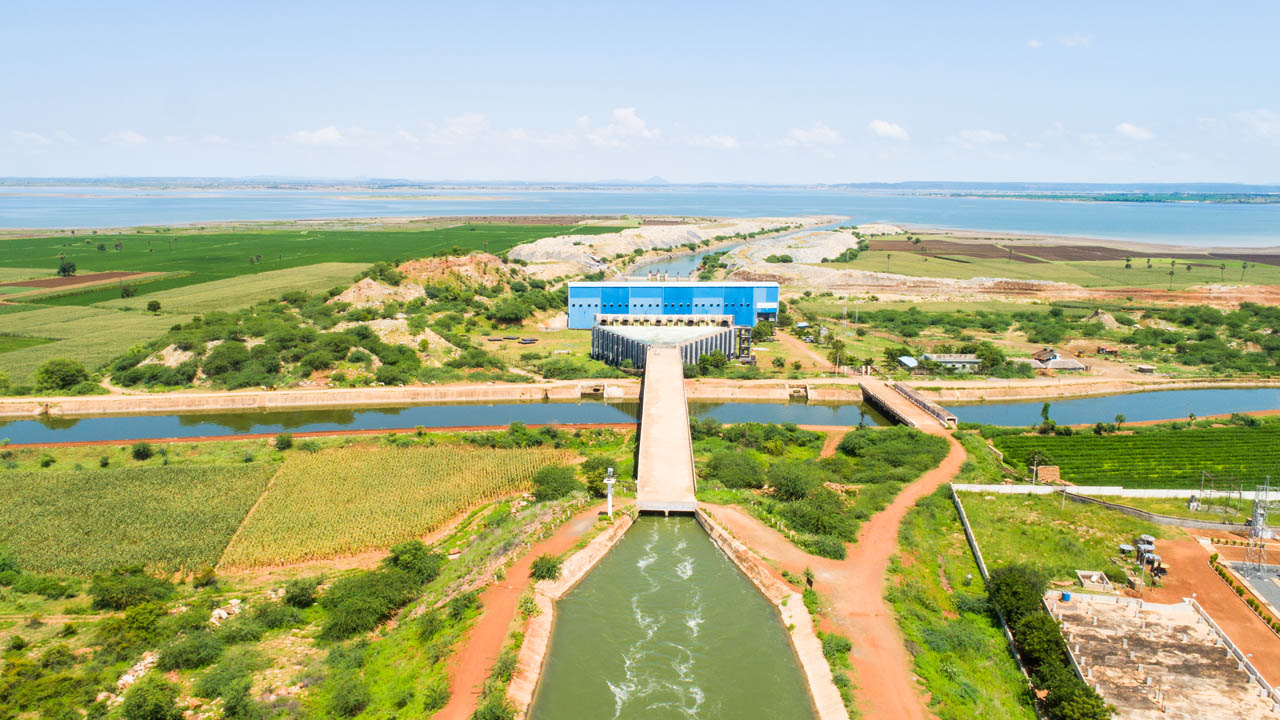
The 2026 monsoon is bringing water in contrasting forms. Across the Godavari basin, monsoon inflows are testing flood-management infrastructure. In drought-prone Rayalaseema and parts of Telangana, the concern is whether rainfall and reservoir storage will remain sufficient to meet drinking-water and irrigation needs in the months ahead.
The uncertainty comes as El Niño conditions continue to influence global weather patterns. Although El Niño is not the only factor shaping India’s monsoon, changing oceanic and atmospheric conditions may produce uneven rainfall, with periods of heavy rainfall in some regions and lower rainfall in others. Recent assessments suggest that the monsoon may remain variable during the second half of the season.
The challenge is not simply to deal with too much or too little water. It is to capture, control, lift, store and distribute water at the right time.
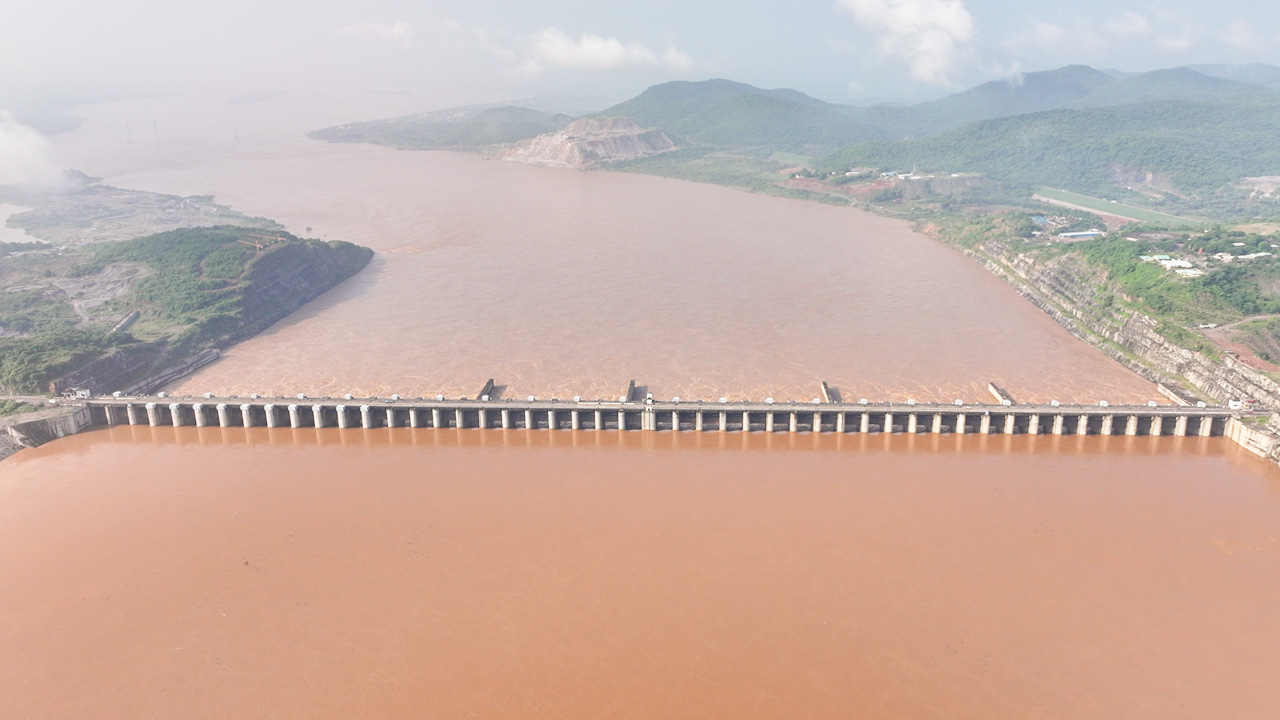
The Godavari basin has recorded monsoon inflows in recent weeks, with water levels rising across several locations. At Polavaram, the seasonal rise has placed the project’s flood-management infrastructure at the centre of attention.
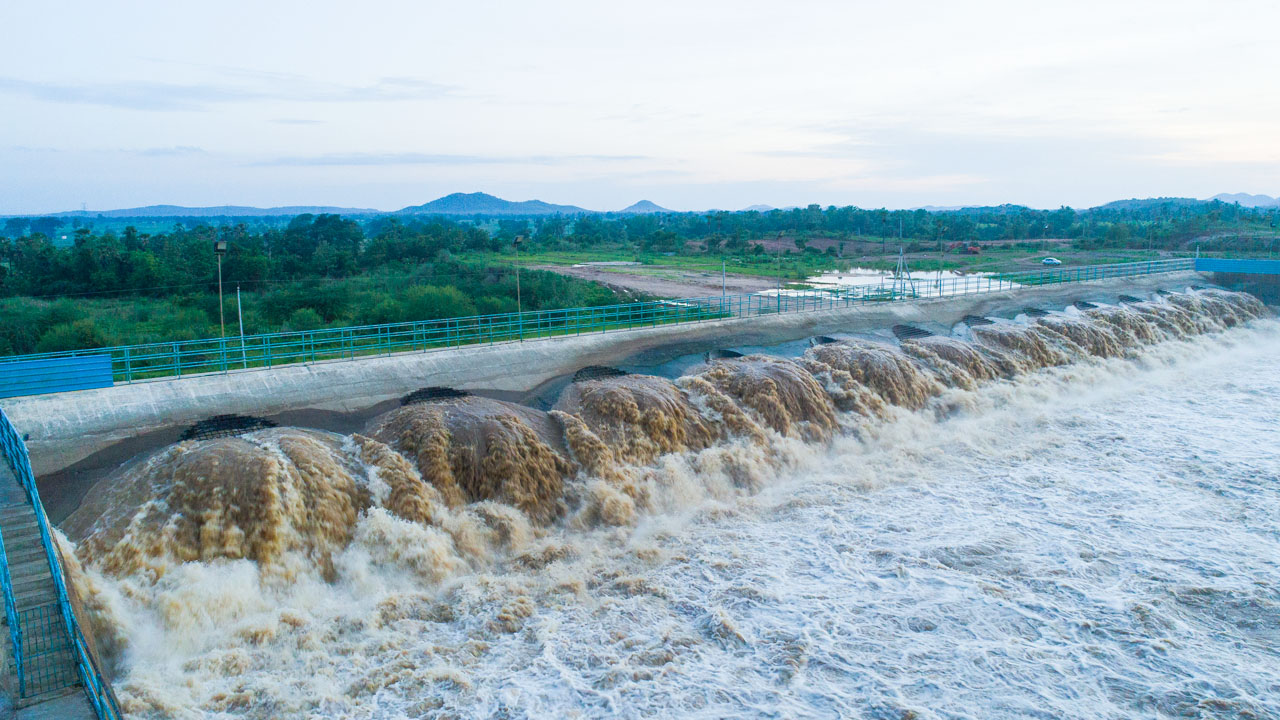
Built to respond to the scale of one of India's greatest rivers, the Polavaram spillway features 48 radial gates and is designed to handle up to 50 lakh cusecs of flood discharge. It is the world’s largest spillway by design discharge.
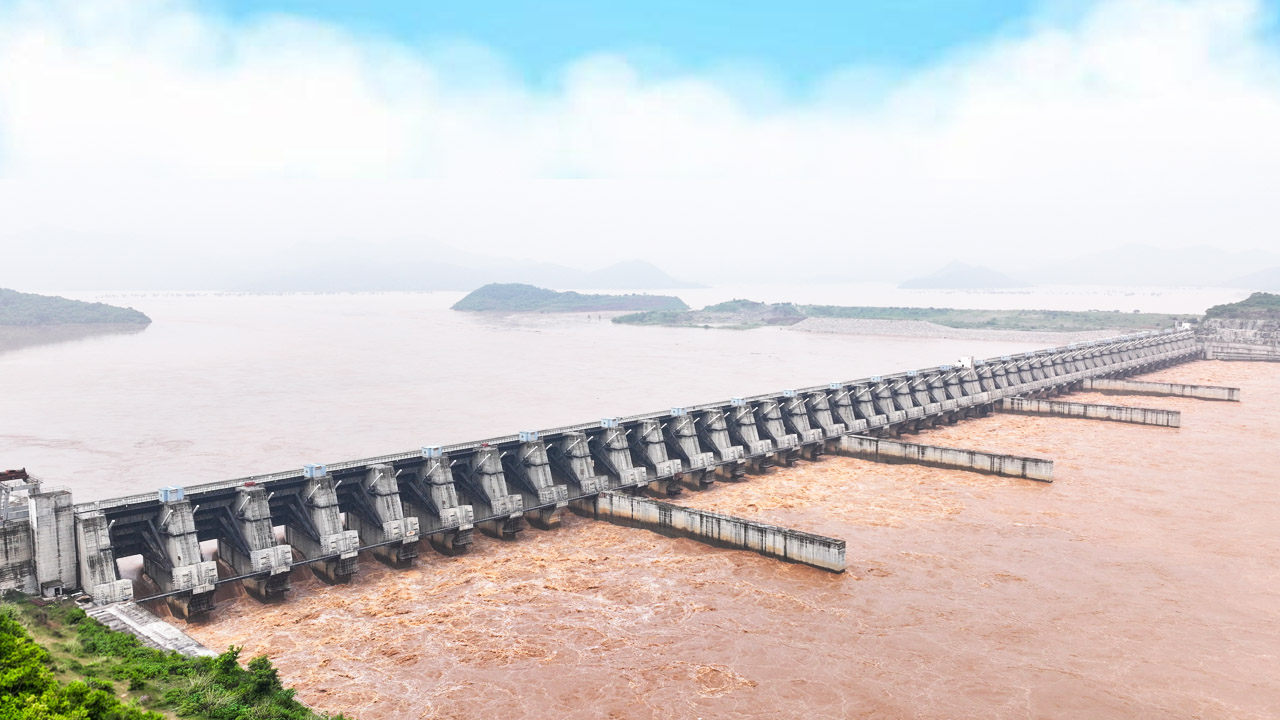
On 2 August 2026, the spillway handled nearly 14.8 lakh cusecs of water, demonstrating its hydraulic capacity and its role in managing the Godavari water flows.
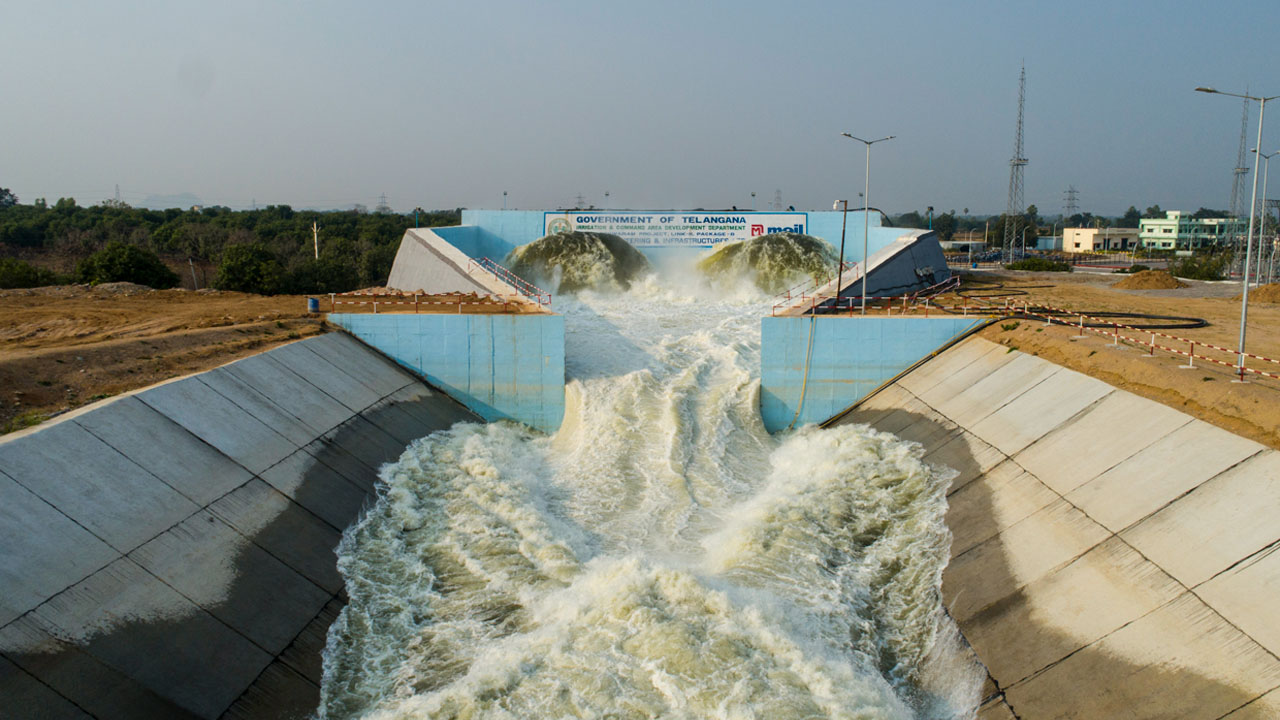
At Lakshmipur in Telangana, the Gayatri Pump House represents another dimension of water engineering. Built by MEIL Group as part of the Kaleshwaram Lift Irrigation Project, the underground facility houses seven high-capacity machines, each rated at 139 MW, with a combined installed capacity of 973 MW.
These machines lift Godavari water from the Yellampalli towards the Mid Manair Reservoir. Seasonal pumping has begun at the facility and, as of 7 August 2026, more than 10.65 TMC of water had been lifted through the system.
Built by MEIL Group for the Government of Andhra Pradesh in a record period of one year, the Pattiseema Lift Irrigation Scheme was handed over to the government after construction and a period of operations and maintenance support. It has continued to operate since 2016.
This season’s pumping operations have also begun. The project uses 24 pumping machines with a combined capacity of 113 MW to lift Godavari water into the Polavaram Right Main Canal. From there, the water moves towards the Krishna basin.
By transferring Godavari water to the Krishna basin, Pattiseema has become an important support system for farmers in the Krishna delta, particularly during periods of limited inflows into the Krishna system. The project demonstrates how seasonal water can be transferred between river basins to support agriculture and regional water needs.
In Andhra Pradesh, pumping under the Handri-Neeva Sujala Sravanthi project began at the Malyala Pump House on 5 August 2026. Krishna water from the Srisailam reservoir is being released into the HNSS system to support drinking-water requirements across Rayalaseema.
By 7 August, around 700 cusecs of water was being released, with operations expected to increase in the coming days.
Constructed by MEIL Group, the Malyala Pump House has 12 pumping machines and an installed capacity of 60 MW. Since operations began in 2012–13, the pump house has delivered more than 438 TMC of water over 14 operational seasons. Approximately 417 TMC has been supplied to the HNSS system, while around 22 TMC has been delivered to the Kurnool- Kadapa Canal system.
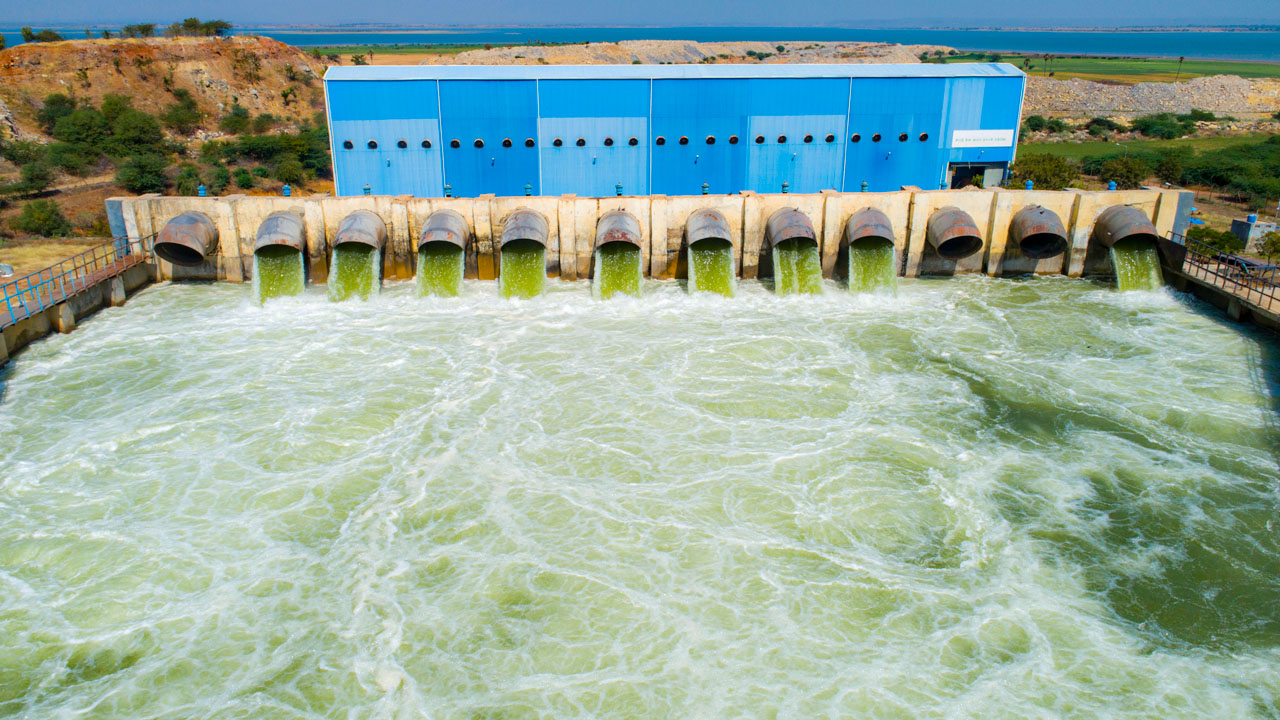
With 43 pump houses and 269 machines across Phases I and II, HNSS is more than a lift irrigation project. For Rayalaseema, it is an important water-supply network designed to reduce the region’s vulnerability to drought.
These are only a few examples of the irrigation projects MEIL Group has built and continues to support across India. Together, they show how infrastructure can respond to different monsoon conditions, managing water when river levels rise, overcoming geographical challenges and carrying water to communities when rainfall becomes uncertain.
When the rivers rise, the infrastructure must be ready. When the rains falter, it must remain dependable. That is the larger promise of irrigation engineering, turning the uncertainty of the monsoon into greater confidence for communities, farmers and regions.