
Engineering Expertise for critical, complex projects
The Heavy Engineering Business Unit is at the centre of some of India’s most challenging and transformative infrastructure projects. From deep underground caverns to roads carved through some of the world’s toughest mountain ranges, the unit delivers solutions at the junction of precision, massive scale, and extreme complexity. By combining advanced technology, deep engineering expertise, and a focus on safety and quality, it executes projects in tunnelling, hydropower, irrigation, high-speed mobility, ports, complex urban infrastructure and real estate segments.
One of the best examples of this capability is the LPG Cavern project in Mangalore, Karnataka, India’s largest underground storage facility, built for Hindustan Petroleum Corporation Limited. Designed to store 80,000 metric tonnes of LPG, the cavern is built 156 metres below sea level, transforming natural rock formations into a secure and strategic energy reserve. The facility includes a 1,100-metre access tunnel, two extensive water curtains, and two storage caverns measuring 220 and 225 metres in length. Additional connecting tunnels integrate the system, supported by a 6.5-metre diameter shaft that ensures safe and efficient LPG transfer for storage and distribution. This project sets a benchmark in underground engineering and significantly enhances India’s strategic LPG storage and energy security.
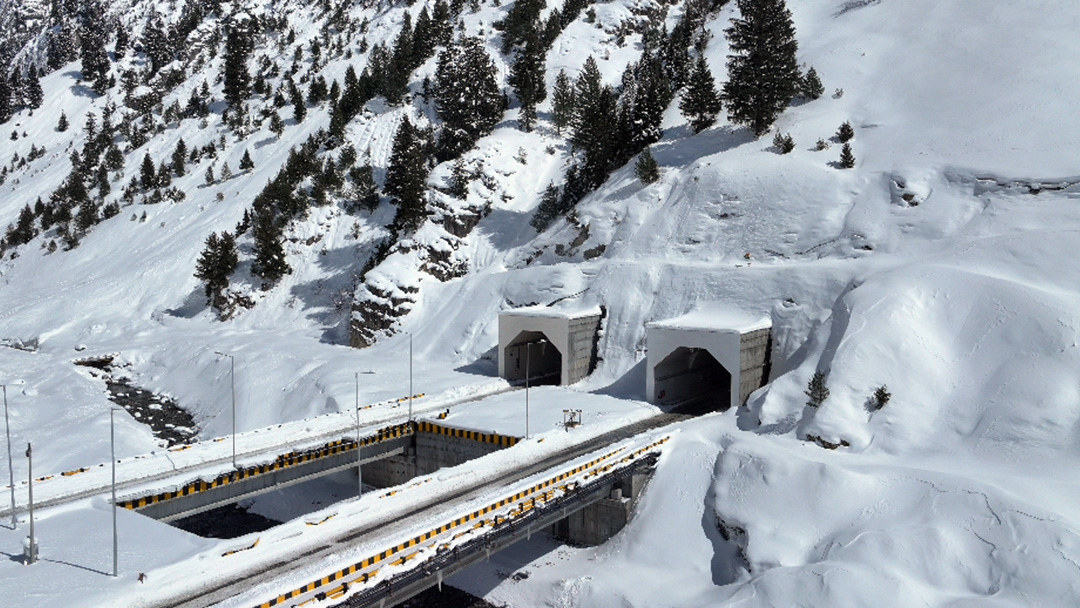
At one of the toughest high-altitude passes in the Himalayas, we are building the Zojila Tunnel, the world’s longest bi-directional road tunnel at a high altitude of 11,578 and one of India’s most demanding, strategically significant infrastructure projects in Jammu and Kashmir. Designed as a multi-purpose, all-weather corridor, it will ensure year-round connectivity between Srinagar and Ladakh regions traditionally cut off for months due heavy snowfall. The project is poised to transform the socio-economic landscape by boosting tourism, improving livelihoods, and enabling faster movement of people, goods, and essential services across the region. Beyond civilian mobility, the tunnel serves as a critical enabler of strategic movement, ensuring uninterrupted access, faster mobilisation, and sustained operational continuity in an area of high national sensitivity.
Part 1 of the project has been completed, including approach roads, four major bridges, twin Nilgrar tunnels, cut-and-cover sections, and snow galleries. Excavation of the 13.153-kilometre main tunnel is progressing simultaneously from both ends, supported by three high-capacity ventilation shafts that provide fresh air circulation and emergency access. Shaft 1, which is the deepest vertical tunnel for any road project in India at 484 metres, has been excavated using a raise climber. Shaft 1 and Shaft 3 have already achieved breakthroughs.
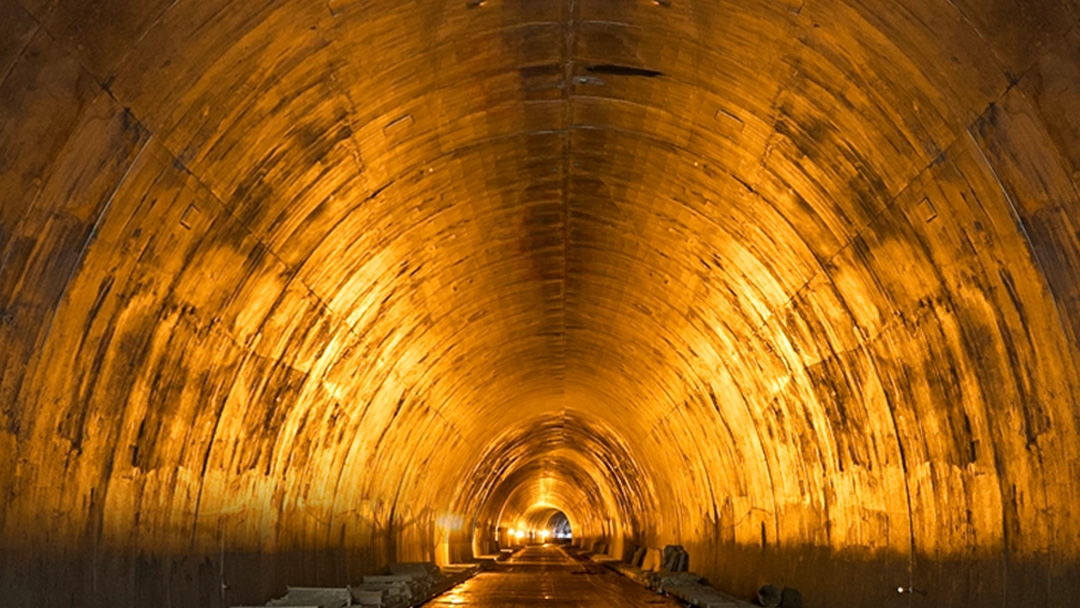
The project has faced highly challenging geology, with rock classification changing 67 times, yet execution has remained on track. Advanced radiography technology is being utilised during tunnel excavation to examine the internal structure of geological formations, enabling precise assessments and improved safety.
The tunnel is engineered with stringent safety systems, including emergency lighting, fire suppression mechanisms, CCTV surveillance and emergency telephones at regular intervals, reflecting a commitment to safety in one of the world’s harshest operating environments. These integrated safety systems ensure that commuters benefit from reliable, secure passage even under extreme weather conditions. The project has also been recognised by ASSOCHAM and received the Best Infrastructure Project in Progress Award for two consecutive years.
In the same high Himalayan region, the Ratle Hydroelectric Project on the Chenab River in Jammu and Kashmir is another crucial project. Harnessing 850 MW of clean energy potential, this project is located in rugged mountainous terrain that demands precise planning and execution. We are responsible for crucial hydro-mechanical works including tunnels, powerhouse construction and penstock gates, all of which are central to delivering sustainable power from this challenging site.
Further along the Himalayas, we are executing segments 7B and 8, spanning 47.5 kilometres of the Char Dham Rail Corridor in Uttarakhand for Rail Vikas Nigam Limited (RVNL), including the main tunnel and escape tunnel, representing another ambitious frontier. Segment 7B consists of a 9.25-kilometre-long tunnel and a major bridge, while Segment 8 includes a 13.21-kilometre-long tunnel and three major bridges. This stretch passes through Narkota, Sumerpur, and Tilani in Rudraprayag district, and Gholtier and Gaucher in Chamoli district. This project improves connectivity to pilgrimage access, promotes tourism and economic development in the region, and strengthens strategic rail connectivity in a geologically fragile zone.
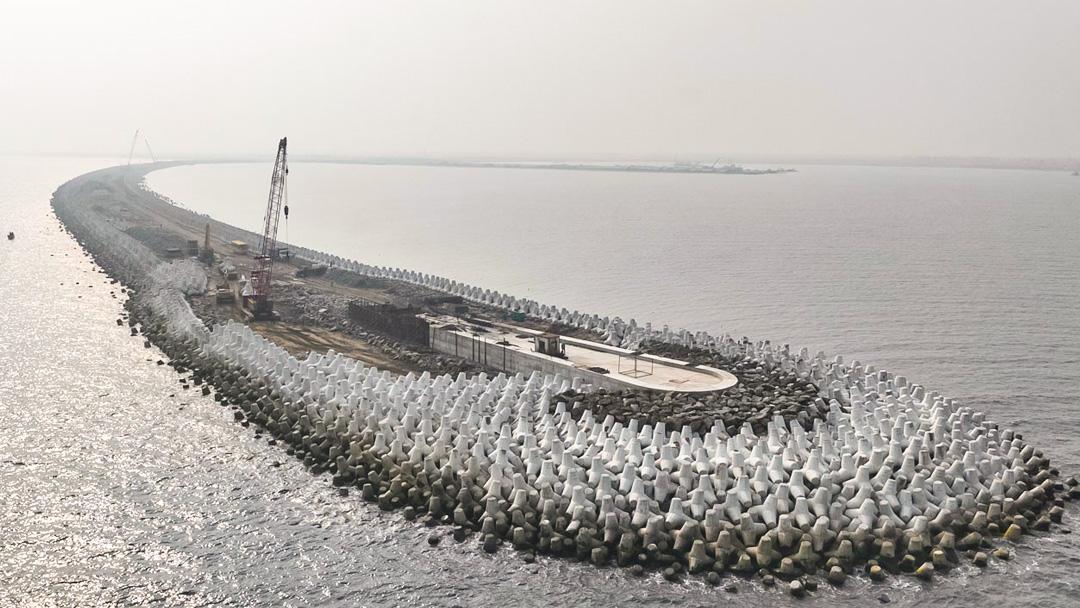
In Andhra Pradesh, we are playing a key role in reshaping the state’s coastal infrastructure. The Machilipatnam Greenfield Port is transforming nearly 1800 acres along the Bay of Bengal into a modern gateway for trade. The port will handle four berths capable of accommodating vessels of up to 80,000 DWT, with an annual handling capacity of 35 million tonnes in phase 1.
To protect the harbour, we constructed a 2,075-metre South Breakwater and a 250-metre North Breakwater, using multi-layer rock armouring and more than 37,440 tetrapods of 7 tonnes each and 5,531 tetrapods of 8 tonnes each. This robust coastal defence system ensures the harbour’s long-term stability and operational safety in harsh marine conditions. In FY 2025-26 the project has achieved 9 million safe man hours.
The project involves over 1.67 crore cubic metres of dredging in manoeuvring areas and the harbour basin using cutter suction dredgers. It also includes land-side excavation up to 2 metres from existing levels, exceeding 76 lakh cubic metres, and reclamation of low-lying areas with more than 50 lakh cubic metres of dredged material. Extensive ground improvement works using over one crore pre-fabricated vertical drains are also underway, ensuring the long-term stability of the reclaimed land. Together, these activities create a stable platform for port infrastructure, enabling reliable operations and future expansion.
Supporting infrastructure such as workshops, administrative complexes, warehouses, and fire stations is under development. With planned highway connectivity along with future rail links, Machilipatnam Port is set to revive historic trade routes and emerge as a major export hub for agriculture, industry, and manufacturing. The integration of marine facilities with strong hinterland connectivity will position the port as a key engine of regional trade and logistics growth.
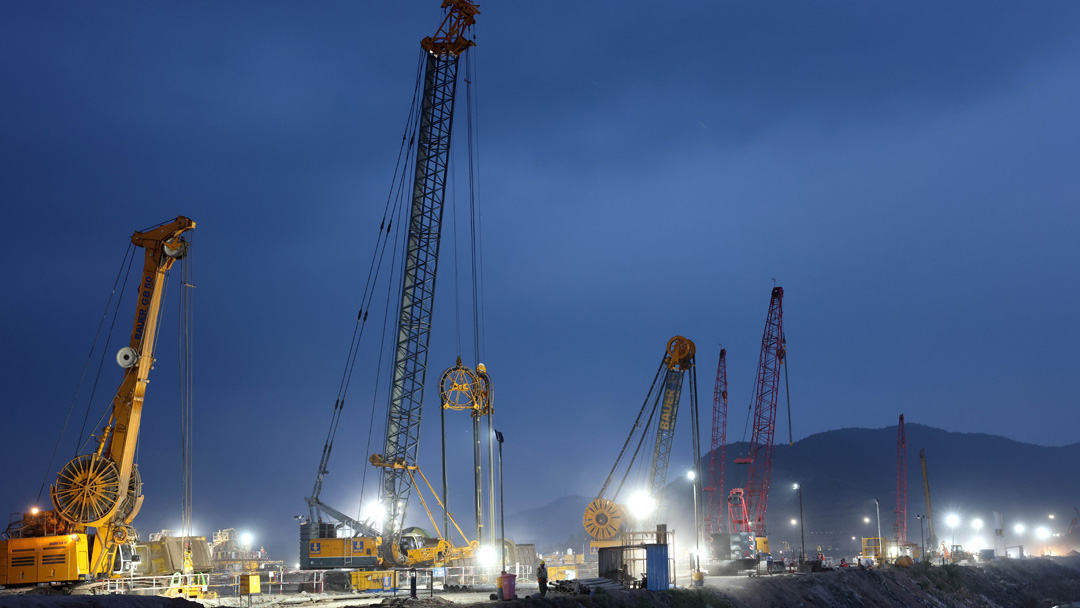
The multi-purpose Polavaram Project in Andhra Pradesh is another transformative project that MEIL Group is executing. Designed to supply drinking water, irrigation, and power, it features the world’s largest spillway, a 1.18-kilometre structure capable of handling 50 lakh cusecs of flood discharge. One of its most technically challenging components is the 1,372‑metre‑ diaphragm wall, constructed successfully to depths of up to 90 metres using advanced plastic concrete in partnership with BAUER. The project also includes South India’s largest 960 MW hydropower facility, equipped with eight 120 MW vertical Francis turbines for seamless generation of clean, green power, underlining its multi-dimensional impact.
In Maharashtra, we are at the forefront of major urban innovation projects that redefine connectivity and mobility. The 11.8-kilometre-long Thane–Borivali Twin Tunnel will significantly reduce travel time between the eastern and western suburbs of Mumbai. The tunnels are being excavated using India’s biggest 13.4-metre diameter single-shield Tunnel Boring Machines, which will drive an underground link beneath the Sanjay Gandhi National Park while minimising surface disturbance. By taking traffic underground and preserving sensitive surface ecosystems, this project combines mobility gains with environmental responsibility. The TBM assembly milestone was achieved in FY 2025-26 ahead of schedule, with the Nayak assembly completed in 80 days against the planned 120 days. The project has also achieved 5 million safe man-hours.
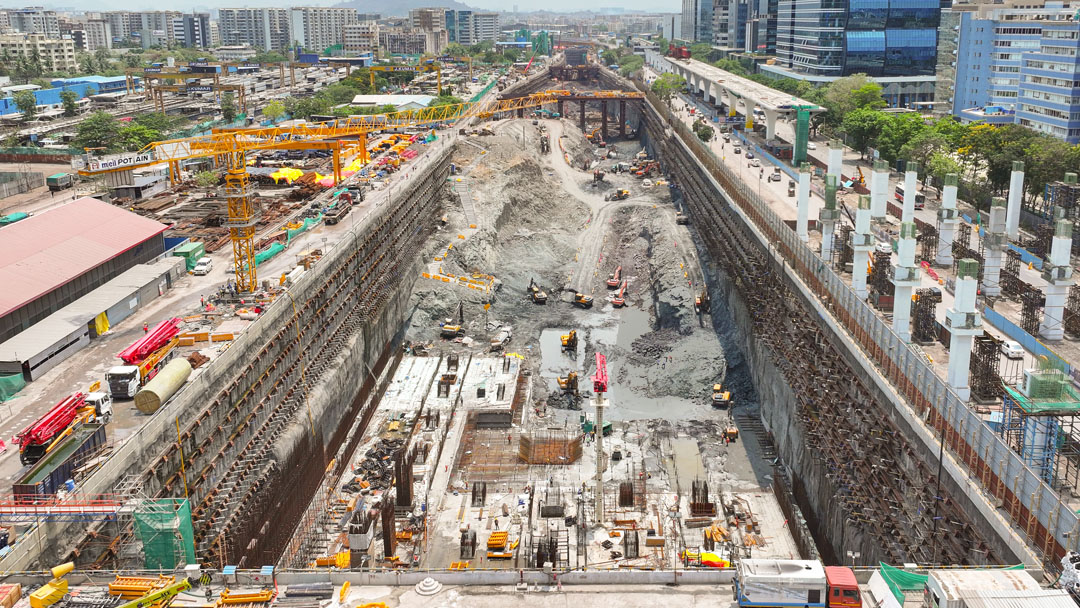
In Mumbai’s Bandra Kurla Complex (BKC), we are in partnership with HCC to construct India’s first underground bullet train station on the Mumbai–Ahmedabad High-Speed Rail Corridor for National High-Speed Rail Corporation Limited. We are using Shinkansen technology, renowned for its speed, safety, and efficiency, marking a new benchmark in India’s rail infrastructure. The station involves deep excavation up to 32 metres below ground level, supported by advanced secant piling techniques to retain soil and protect surrounding structures. It will house six platforms, each 467 metres long, designed to accommodate 6-coach bullet trains. With direct connectivity to Mumbai Metro Line 2B and carefully planned entry and exit points, the station will serve as a key node in the city’s integrated mobility network. This node will streamline high-speed, metro, and surface transport, improving passenger experience and network efficiency in one of India’s busiest business districts. In FY 2025-26 the project has achieved 11.7 million safe man- hours.
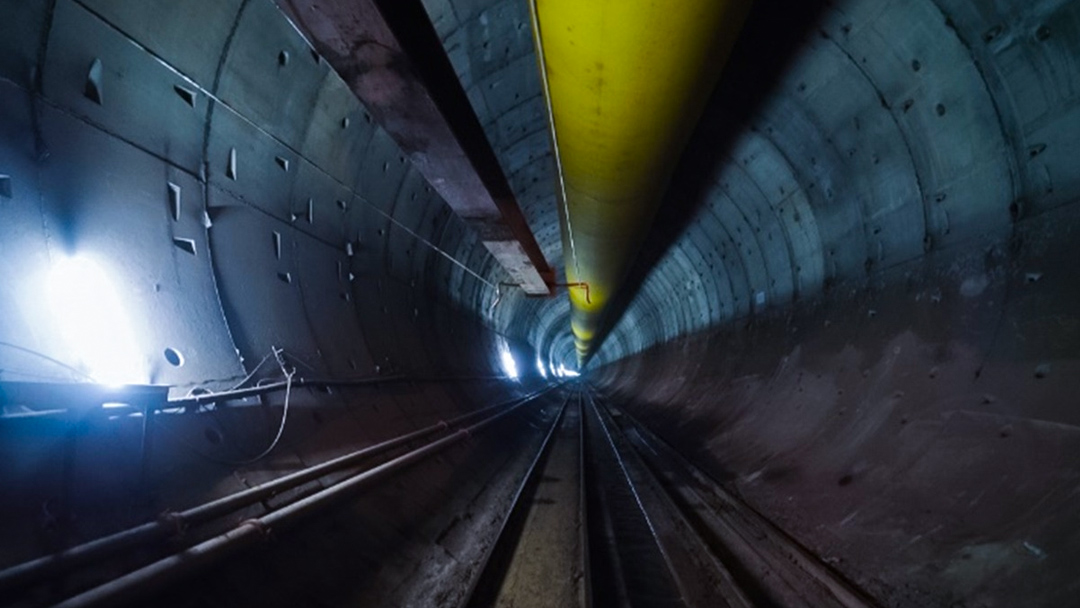
The CIDCO Raw Water Tunnel Project is another key underground initiative in Maharashtra. We are constructing a 13.25-kilometre tunnel, located nearly 100 metres below ground, to carry raw water from Hetawane Dam to the Jite Water Treatment Plant.
Beyond these projects, we are also executing several other strategic works across India. These include the new integrated terminal building and associated infrastructure at Shirdi International Airport, Maharashtra, designed to handle 1,200 passengers per hour. This project will significantly improve accessibility for millions of pilgrims visiting the Shirdi Sai Baba shrine, in addition to boosting tourism, trade, and overall regional development. We are also executing the two segments of the Mumbai Coastal Road project, three segments of the Pune Ring Road, key works for ADCL and CRDA in Andhra Pradesh.
The Kaiga Nuclear Atomic Power Project Units 5 and 6 is at an initial stage. The project recorded a single largest concrete pour of 6,310 cubic meters in the reactor building and achieved 1 million safe man-hours. The project also received the Best Safety Performance Award from NPCIL in the FY 2025- 26.
The BU has also made an entry into new segments with MEIL Homes Private Limited, by taking up three projects at Khajaguda, Nadargul, and Gaganpahad. It is also planning iconic high‑rise developments, including a 185‑metre tower concept.

Across projects, what truly sets MEIL Group’s Heavy Engineering & Special Projects Business Unit apart is its consistent ability to deliver projects in some of the most challenging conditions. Whether it is tunnelling, building spillways capable of handling record floods, stabilising complex coastal terrain, or working at extreme altitudes, the unit brings together advanced engineering tools, specialised concretes, meticulous planning, and disciplined execution.
As part of our corporate social responsibility, The MEIL Foundation has partnered with the Telangana Government to fund and constructing Young India Skills University.